
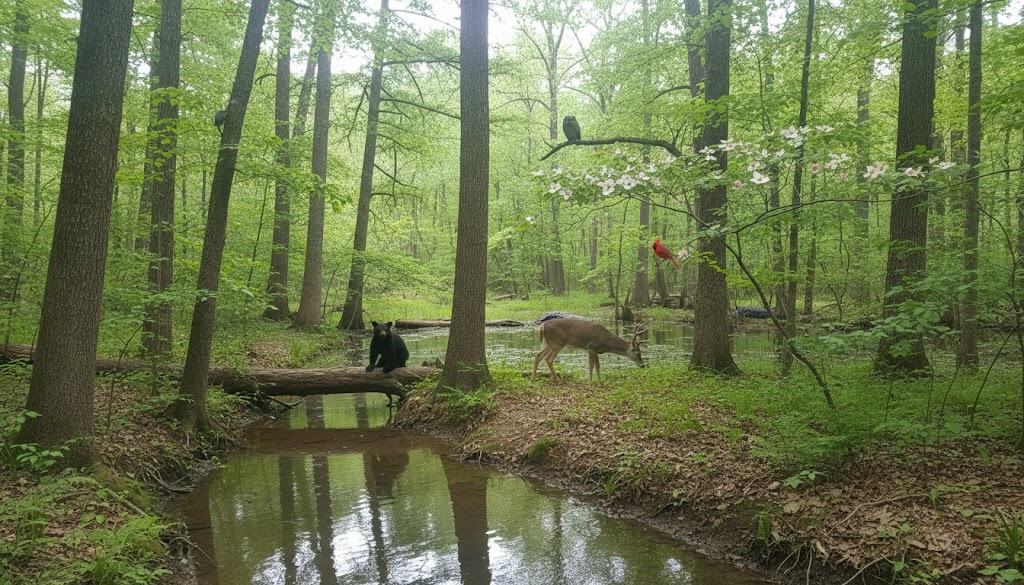
Arkansas is one of the most biologically diverse states in the central United States. Sitting at the crossroads of forests, wetlands, prairies, rivers, and mountains, the Natural State offers an impressive range of wildlife for nature lovers, photographers, and casual observers alike. From black bears roaming wooded hills to migratory birds filling southern skies, Arkansas provides year-round opportunities to see animals in their natural habitats.
This guide explores the native wildlife you can spot in Arkansas, where different species tend to live, the best regions for birdwatching, and how to observe wildlife responsibly. Whether you’re scanning the treetops or watching quietly from the water’s edge, Arkansas rewards patience and curiosity.
Why Arkansas Is a Wildlife Hotspot
Arkansas supports more than 500 species of vertebrate animals, thanks to its varied geography and climate. The state lies within the Mississippi Flyway, a major migratory route for birds, and includes ecosystems such as:
- Hardwood and pine forests
- Wetlands and bottomland swamps
- Rivers, lakes, and oxbows
- Prairies and grasslands
- Rocky uplands and mountain regions
This diversity creates ideal conditions for mammals, reptiles, amphibians, fish, and birds to thrive—many of which are difficult to see elsewhere in the region.
Mammals Native to Arkansas
White-Tailed Deer
White-tailed deer are the most commonly seen large mammals in Arkansas. They inhabit forests, agricultural edges, and open woodlands across the state.
Where to spot them:
- Forest edges at dawn or dusk
- Fields near wooded cover
- Bottomland hardwood areas
Deer are most active during early morning and evening hours, especially in fall and winter.
American Black Bear
Once nearly eliminated from the state, the American black bear has made a remarkable comeback due to conservation efforts.
Where to spot them:
- Remote forested regions
- Mountainous and heavily wooded areas
- Areas with abundant food sources like berries and acorns
Bear sightings are most common in late spring through early fall. Always observe from a distance.
Bobcat
Bobcats are elusive and primarily nocturnal, making sightings rare but memorable.
Where to spot them:
- Forested hills
- Swamps and brushy lowlands
- Areas with dense cover
You’re more likely to spot tracks or hear calls than see one directly.
River Otter
Playful and agile, river otters are a conservation success story in Arkansas.
Where to spot them:
- Rivers and streams
- Lakes and wetlands
- Quiet backwaters
Look for them early in the morning when waters are calm.
Other Mammals You May See
- Gray and red foxes
- Raccoons and opossums
- Eastern cottontail rabbits
- Armadillos (increasingly common)
- Beavers near waterways
Birds of Arkansas: A Birdwatcher’s Paradise
Arkansas is widely recognized as one of the top birding states in the U.S., with over 400 recorded bird species.
Bald Eagle
The bald eagle, America’s national bird, is now a common sight in winter months.
Where to spot them:
- Large rivers and lakes
- Areas with tall trees near water
Winter offers the best viewing opportunities when eagles migrate south.
Waterfowl and Wading Birds
Arkansas’s wetlands attract massive numbers of ducks, geese, herons, and egrets.
Common species include:
- Mallards and wood ducks
- Snow geese and Canada geese
- Great blue herons
- Great egrets
Where to spot them:
- Flooded fields and wetlands
- Shallow lakes and slow-moving rivers
Songbirds and Forest Birds
Spring and fall migrations bring colorful songbirds through Arkansas.
Look for:
- Warblers
- Tanagers
- Thrushes
- Woodpeckers
Best habitats:
- Mature forests
- Riparian corridors
- Mixed woodland areas
Raptors and Birds of Prey
Arkansas skies host an impressive array of raptors year-round.
Species to watch for:
- Red-tailed hawks
- Cooper’s hawks
- Great horned owls
- Barred owls
Open areas near forests are ideal for spotting hunting raptors.
Reptiles and Amphibians
Arkansas has one of the richest herpetofauna populations in the country.
Snakes
Over 40 species of snakes live in Arkansas, most of them non-venomous.
Common species:
- Garter snakes
- Rat snakes
- Kingsnakes
Venomous species like copperheads and cottonmouths exist but generally avoid humans.
Turtles and Lizards
- Box turtles
- Painted turtles
- Alligator snapping turtles
- Fence lizards and skinks
Wetland edges and sunny clearings are prime locations.
Frogs and Salamanders
Arkansas’s wetlands and forests support a variety of amphibians, especially after rainfall.
Listen for frog calls in spring and summer evenings near water.
Fish and Aquatic Wildlife
With thousands of miles of streams and rivers, Arkansas supports diverse aquatic life.
Notable species include:
- Largemouth bass
- Catfish
- Crappie
- Paddlefish
These species also support birds, otters, and other wildlife higher up the food chain.
Prime Wildlife Viewing Regions in Arkansas
Rather than focusing on specific parks or trails, Arkansas wildlife viewing is best understood by habitat type.
Wetlands and River Valleys
These areas attract waterfowl, amphibians, otters, and wading birds.
Forested Uplands
Hardwood and pine forests support deer, bears, songbirds, owls, and reptiles.
Grasslands and Open Country
Look for raptors, foxes, rabbits, and migratory birds in open landscapes.
Birdwatching Hotspots (By Habitat)
- Wetlands: Best for ducks, geese, herons, and shorebirds
- Forests: Ideal for warblers, woodpeckers, owls
- Open water: Eagles, osprey, pelicans
- Edge habitats: Mixed species diversity
Seasonal migration makes spring and fall especially rewarding.
Responsible Wildlife Viewing in Arkansas
Enjoying wildlife comes with responsibility. Ethical observation helps protect animals and their habitats.
Follow These Best Practices
- Observe from a safe distance
- Never feed wild animals
- Avoid disturbing nests or dens
- Keep noise to a minimum
- Use binoculars or zoom lenses
Respecting wildlife ensures future generations can enjoy the same experiences.
Conservation and Wildlife Protection Efforts
Arkansas has made significant strides in wildlife conservation.
Key Conservation Successes
- Black bear population recovery
- Bald eagle resurgence
- Wetland restoration projects
Ongoing Challenges
- Habitat loss
- Water pollution
- Invasive species
Supporting conservation organizations and staying informed helps protect Arkansas’s wildlife heritage.
Best Times of Year for Wildlife Watching
- Spring: Bird migration, amphibian activity
- Summer: Reptiles, mammals, nesting birds
- Fall: Deer activity, migratory birds
- Winter: Eagles, waterfowl, clear visibility
Each season offers a unique window into the state’s natural rhythms.
Final Thoughts:
Arkansas is a hidden gem for wildlife enthusiasts. Its blend of ecosystems supports a remarkable range of species, many of which can be observed with patience and respect. Whether you’re watching eagles soar, listening for owls at dusk, or spotting deer at the forest edge, the Natural State delivers unforgettable encounters with nature.
By focusing on habitats, ethical observation, and conservation awareness, you don’t just see wildlife—you become part of the effort to protect it.