
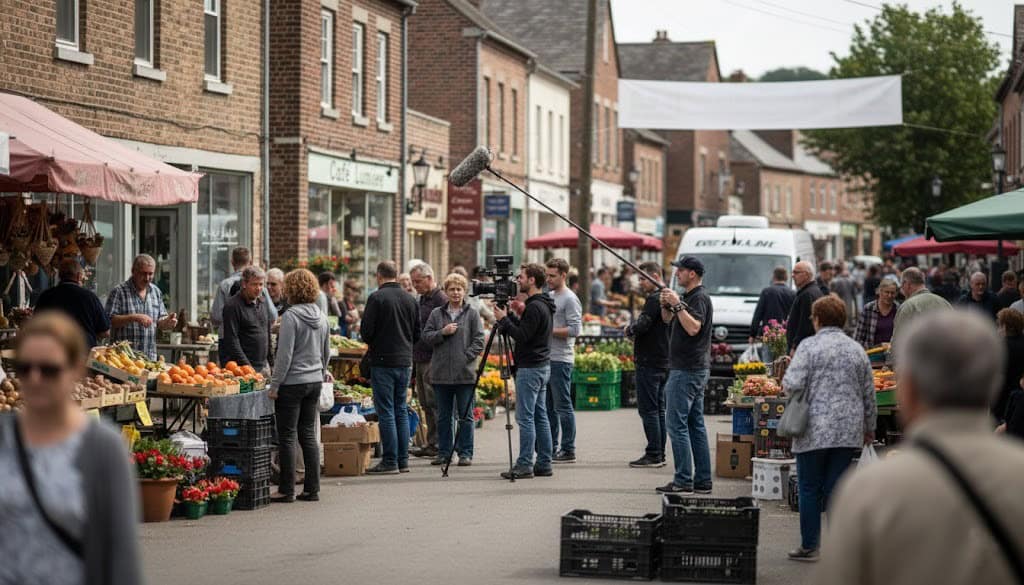
Film and media are not just entertainment—they are powerful economic engines that shape local economies in profound ways. From blockbuster productions to niche porno italiano cinema, media projects can drive tourism, create jobs, and foster regional development. By examining Italy’s film industry, including both mainstream and adult productions, we can uncover strategies that other regions—like Arkansas—might adopt to capitalize on media exposure for economic growth.
The Economic Power of Film Production
Direct Economic Contributions
Film production injects money directly into local economies through various channels. Major productions require accommodations, catering, transportation, and equipment rentals, which provide immediate revenue to local businesses. For example, when a blockbuster is filmed in a city, hotels see increased bookings, restaurants experience higher demand, and local technicians and laborers are employed.
Even adult film productions, while often smaller in scale, contribute economically by utilizing local studios, hiring crew members, and paying for local services. While adult cinema might be controversial in some regions, it still generates direct economic activity similar to mainstream productions.
Job Creation
Beyond the direct spending, film production creates diverse employment opportunities. Positions range from set designers, camera operators, and lighting technicians to marketing specialists, public relations staff, and legal advisors. In countries with strong cinematic traditions, such as Italy, these jobs form a critical part of the local creative economy.
The adult film segment, though less visible, also supports employment. From studio management to post-production editing, these productions provide specialized roles that stimulate niche markets.
Italy as a Case Study: Mainstream and Adult Film Industries
Mainstream Film Industry
Italy has a long and prestigious cinematic history. The country is renowned for classic films like La Dolce Vita and Cinema Paradiso, which not only earned international acclaim but also boosted tourism in filming locations such as Rome, Venice, and the Amalfi Coast.
Italian mainstream cinema has long been a magnet for international productions, drawing in foreign investment and enhancing the country’s cultural cachet. Government incentives, tax credits, and film commissions facilitate this inflow, allowing regions to leverage media for economic benefits.
For instance, Cinecittà Studios in Rome has been central to Italian film production since the 1930s. It has hosted countless productions, employing thousands and attracting tourists to its film tours. Visitors come not only for the cinema history but also to experience the culture and landmarks associated with their favorite films.
Italy’s Adult Film Segment
Italy is also notable for its adult film industry, primarily centered in Rome. While often overlooked in economic analyses, adult film production contributes significantly to local economies by renting studio spaces, hiring local crew, and creating related service demand.
Adult cinema also attracts tourism in subtle ways. Some travelers are drawn to locations known for film production, including niche enthusiasts. While less mainstream than blockbuster-driven tourism, this segment still generates revenue through accommodation, transportation, and hospitality.
Tourism and Cultural Influence
Media exposure—whether mainstream or adult—creates “film tourism.” Tourists often visit filming locations, purchase merchandise, and engage in cultural experiences tied to the media they consume. Italy has effectively leveraged this, combining cinematic heritage with culinary, historical, and cultural tourism. The economic ripple effect includes increased local spending, job creation, and promotion of ancillary industries like souvenirs and guided tours.
How Media Shapes Broader Economic Development
Infrastructure Investment
When regions become film-friendly, they often see investment in infrastructure. Studios, post-production facilities, and media hubs stimulate local economies. Roads, airports, and public services may also improve to accommodate industry needs.
Italy has demonstrated this with locations like Cinecittà, which not only serves as a production site but also as a tourist attraction and educational hub for media students. By investing in media infrastructure, local governments create a sustainable economic cycle that extends beyond individual productions.
Branding and Global Recognition
Media exposure builds a location’s global brand. Cities and regions become recognizable on an international scale, attracting investment and tourism. Italian cities like Venice and Rome are prime examples—cinematic portrayals enhance their appeal, creating a virtuous cycle of cultural and economic growth.
This effect isn’t limited to mainstream media. Even niche productions, including adult films, can create global recognition, especially if associated with particular studios, festivals, or cultural phenomena.
Lessons for Arkansas: Leveraging Media for Economic Growth
Current Media Presence
Arkansas, while not traditionally a film powerhouse, has several natural and urban landscapes suitable for filming. Locations like Hot Springs, Little Rock, and the Ozark Mountains offer scenic backdrops, and the state has modest film infrastructure, including production studios and local talent.
By studying Italy’s example, Arkansas can understand how to maximize media exposure to stimulate economic development. Key strategies include promoting local filming incentives, investing in media-friendly infrastructure, and marketing the state as a versatile filming destination.
Incentives for Filmmakers
Financial incentives are critical. Tax credits, grants, and production support can attract both mainstream and niche productions. Several states in the U.S. have successfully used these strategies, generating substantial economic returns. Arkansas could expand these incentives to appeal to both traditional and adult film productions, diversifying revenue streams.
Building Tourism Around Media Exposure
Media-driven tourism could be a significant economic driver. Film festivals, studio tours, and location visits attract visitors while creating jobs in hospitality, transportation, and retail. Even small-scale productions can generate tourism buzz if strategically marketed. Arkansas can focus on “film trails” highlighting locations used in notable productions, or collaborate with local businesses to create media-themed experiences.
Encouraging Local Talent and Education
Developing local talent ensures long-term sustainability. Film schools, workshops, and training programs create a skilled workforce that attracts productions. Italy has benefited from a strong pool of filmmakers and technicians cultivated through education and apprenticeships—a model Arkansas could emulate.
By fostering media literacy and production skills, Arkansas can position itself as a competitive and creative environment for diverse media projects, from family films to adult cinema.
Challenges and Considerations
Public Perception and Regulation
Adult film production can be controversial, and communities may have concerns about morality, safety, and reputation. Proper regulation and transparency are essential. Clear zoning laws, health protocols, and community engagement can mitigate risks while still benefiting economically.
Competition and Market Saturation
Many regions compete for film production, offering incentives and infrastructure. Arkansas must differentiate itself, highlighting unique landscapes, supportive communities, and cost-effectiveness. By combining mainstream and niche strategies, the state can find a distinctive market position.
Balancing Cultural Integrity
While economic benefits are important, preserving cultural and historical integrity is critical. Italy carefully balances tourism with heritage conservation—Arkansas should adopt similar policies, ensuring that film-related development complements rather than compromises local identity.
Harnessing the Power of Media for Local Economies
Film and media are more than cultural artifacts—they are catalysts for economic development. Italy exemplifies how both mainstream and adult film production can drive tourism, create jobs, and enhance global recognition. By examining these strategies, regions like Arkansas can craft policies to attract diverse media projects, invest in infrastructure, and foster local talent.
The potential is substantial: from generating immediate economic activity to establishing long-term tourism and cultural engagement, media exposure offers a versatile pathway to regional prosperity. By thoughtfully integrating incentives, education, and marketing, Arkansas could transform itself into a dynamic media hub, proving that film and media are not only stories on screen—they are engines for local economic growth.